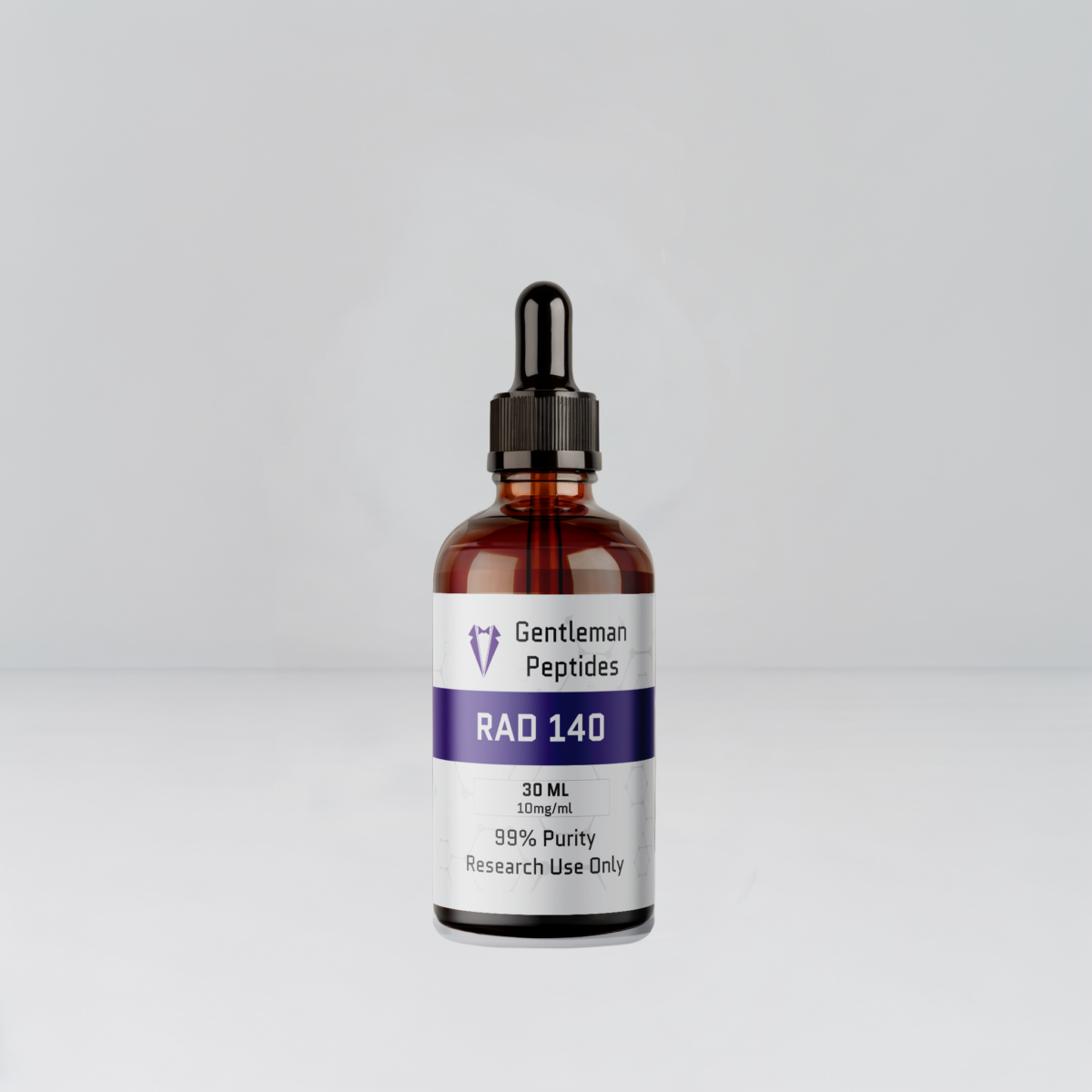
RAD-140 (Testolone) ? Research Reference Material
RAD-140 (Testolone) is a research-grade compound supplied for in-vitro laboratory investigation. Mechanistically, RAD-140 (Testolone) acts as a non-steroidal selective androgen receptor modulator (SARM), which has made it a frequently studied reference in tissue-selective AR signaling and musculoskeletal models.
This product is also referenced in the literature under the following terms: testolone research, RAD-140 SARM, selective androgen receptor modulator.
Mechanism of Action (Research Context)
Published peer-reviewed research describes RAD-140 (Testolone) as a non-steroidal selective androgen receptor modulator (SARM). Investigators commonly use this compound in laboratory models exploring tissue-selective AR signaling and musculoskeletal models. Researchers should consult primary literature for current mechanistic understanding.
Product Specifications
- CAS Number: 1182367-47-0
- Molecular Formula: C20H16ClN5O2
- Molecular Weight: 393.83 g/mol
- Form: Liquid
- Purity: Refer to lot-specific Certificate of Analysis
Research Applications
RAD-140 (Testolone) is referenced in laboratory research focused on tissue-selective AR signaling and musculoskeletal models. Typical study designs include in-vitro receptor-binding assays, cell-based pathway investigations, and analytical method development. This product is supplied as a reference standard only and is not formulated, labeled, or packaged for any in-vivo or therapeutic application.
Storage & Handling
Store in a cool, dry environment protected from light and moisture. Always handle in accordance with standard laboratory safety practices. Refer to the lot-specific Certificate of Analysis for stability data and recommended handling.
Quality & Documentation
Each lot is supplied with a Certificate of Analysis (COA) referencing identity, purity, and applicable analytical results. The COA is the authoritative source for lot-specific data and supersedes any general product description.
Research Use Only. This product is intended exclusively for in-vitro laboratory and research applications. Not for human or veterinary consumption, diagnostic use, food, cosmetic, or therapeutic purposes. Handling should be performed only by qualified researchers in an appropriate laboratory setting.