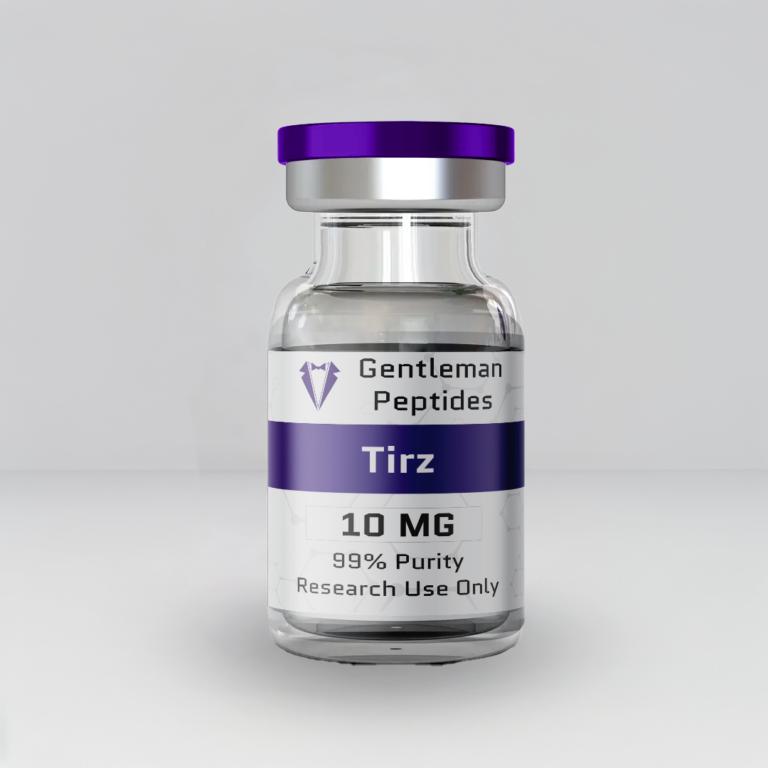
This product is also referenced in the literature under the following terms: levocarnitine, (R)-(–)-carnitine, vitamin BT, β-hydroxy-γ-trimethylammonium butyrate.
Mechanism of Action (Research Context)
Published peer-reviewed research describes L-Carnitine as essential for the β-oxidation of long-chain fatty acids: free fatty acids are activated to acyl-CoA in the cytosol, then transferred to L-Carnitine by CPT-1 to form acylcarnitines, which cross the inner mitochondrial membrane via the carnitine-acylcarnitine translocase (CACT). Inside the matrix, CPT-2 regenerates acyl-CoA for β-oxidation. Investigators commonly use this compound in laboratory studies exploring mitochondrial respiration, substrate-utilization assays, oxidative-stress models, and metabolic-flux analysis. Researchers should consult primary literature for current mechanistic understanding.
Product Specifications
- CAS Number: 541-15-1
- Molecular Formula: C₇H₁₅NO₃
- Molecular Weight: 161.20 g/mol
- IUPAC Name: (3R)-3-hydroxy-4-(trimethylazaniumyl)butanoate
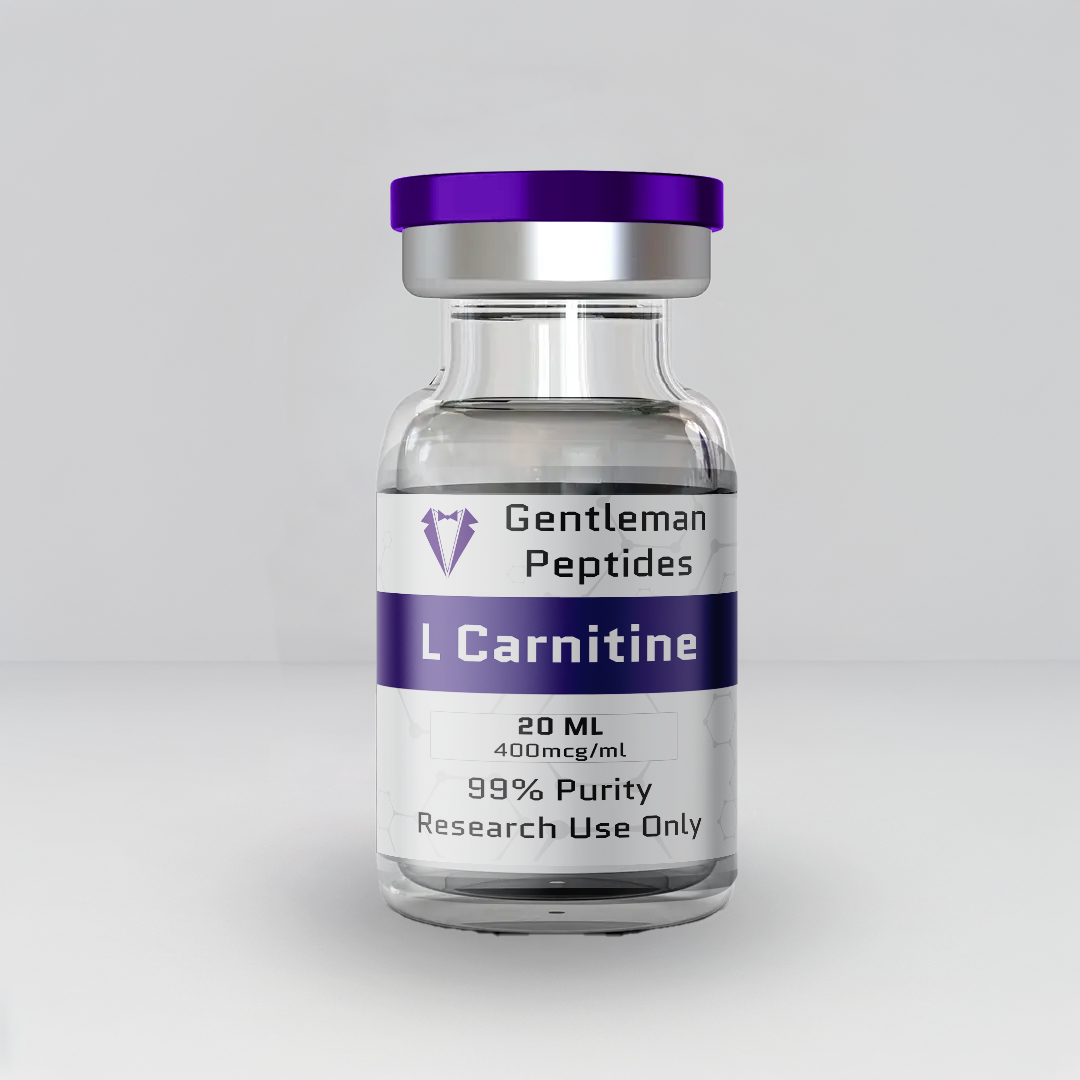
- Form: Liquid solution (400 mg/mL in 20 mL vial)
- Endotoxin: N/A (small-molecule compound)
- Purity: Refer to lot-specific Certificate of Analysis
Research Applications
L-Carnitine is referenced in laboratory research focused on mitochondrial fatty-acid oxidation, metabolic substrate utilization, and bioenergetics. Typical study designs include in-vitro mitochondrial respiration assays (Seahorse XF, Clark-electrode), CPT-1/CPT-2 activity assays, acylcarnitine profiling by mass spectrometry, cell-based oxidative-stress models, and analytical method development. This product is supplied as a reference standard only and is not formulated, labeled, or packaged for any in-vivo or therapeutic application.
Storage & Handling
Store the liquid solution at 2–8°C, protected from light. For long-term stability, store sealed in original packaging and avoid repeated freeze-thaw cycles. Always handle in accordance with standard laboratory safety practices. Refer to the lot-specific Certificate of Analysis for stability data and recommended handling.
Quality & Documentation
Each lot is supplied with a Certificate of Analysis (COA) referencing identity, purity, and applicable analytical results (HPLC purity, optical rotation confirming the L-stereoisomer, residual solvents). The COA is the authoritative source for lot-specific data and supersedes any general product description.
Frequently Asked Questions
What is L-Carnitine? L-Carnitine is a naturally occurring quaternary ammonium compound that functions as a mitochondrial fatty-acid carrier, supplied here as a research reference compound for in-vitro laboratory investigation.
Why does the L-stereoisomer matter? Only the L-(R)-stereoisomer is biologically active. The D-isomer is inactive and competitively inhibits L-Carnitine uptake. Researchers studying mitochondrial fatty-acid transport require the pure L-form, which is confirmed by optical rotation on the COA.
Is endotoxin testing applicable? No — endotoxin specifications apply to peptides and biologics. L-Carnitine is a small molecule; the relevant purity specs are HPLC purity, optical rotation, and residual solvents, documented on the COA.
Is this product intended for human use? No. This is a research reference material only and is not formulated, labeled, or packaged for human or veterinary use, diagnostic use, food, cosmetic, or therapeutic application.
What documentation is included? A lot-specific Certificate of Analysis (COA) covering identity, purity, optical rotation, and analytical results.
Research Use Only. This product is intended exclusively for in-vitro laboratory and research applications. Not for human or veterinary consumption, diagnostic use, food, cosmetic, or therapeutic purposes. Handling should be performed only by qualified researchers in an appropriate laboratory setting.